
Atopic Dermatitis – Eczema
Atopic Dermatitis (Eczema)
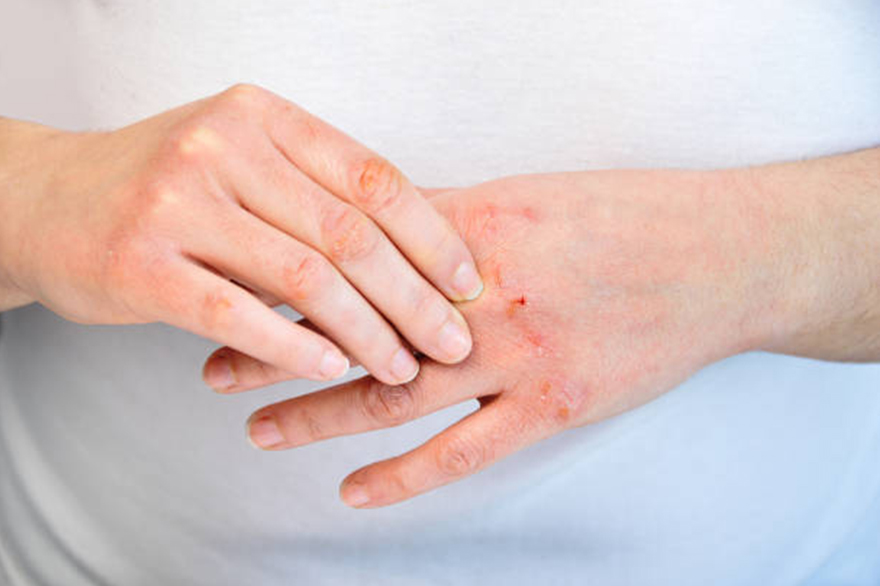
Atopic dermatitis, commonly known as eczema, is one of the most common chronic skin conditions. It is characterized by disruption of the skin’s natural barrier, resulting in severe dryness, persistent itching, redness, and excoriations caused by scratching. The course of the disease is typically marked by periods of remission and flare-ups, while it often coexists with other allergic conditions.
What Triggers Flare-Ups at Different Ages?
The factors that trigger symptoms may vary depending on the patient’s age:
- During infancy and childhood: In infants and young children with moderate to severe disease, certain foods may act as triggers for flare-ups. For this reason, when symptoms are significant, targeted evaluation for possible food allergies may be recommended.
- In older children and adults: Flare-ups are more commonly associated with external factors such as viral infections, sudden changes in temperature, environmental allergens, or everyday stress.
Modern Treatment Approach
Comprehensive treatment of atopic dermatitis aims to restore the skin barrier and control inflammation through:
- Daily moisturization: Regular use of appropriate emollients and moisturizers helps strengthen the skin barrier and reduce the frequency of flare-ups.
- Topical treatment: During flare-ups, targeted application of topical anti-inflammatory treatments, such as topical corticosteroids or calcineurin inhibitors, under medical supervision can provide rapid relief from itching and inflammation and help restore the skin to its normal condition.
- Systemic and newer therapies: In more severe forms of the disease that do not respond adequately to basic treatment measures, modern medicine offers advanced therapeutic options, including immunomodulatory agents and biologic therapies, to achieve effective long-term control of inflammation.
If you or someone close to you is experiencing symptoms of atopic dermatitis, a specialized allergy assessment can ensure an accurate diagnosis, guide the selection of appropriate treatment, and provide a clear, individualized management plan for a more comfortable and safe everyday life.