
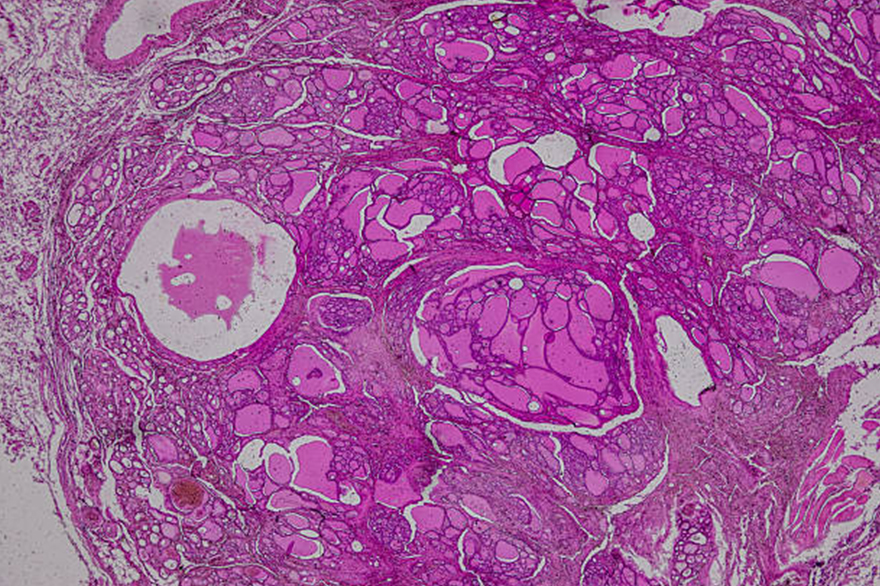
Eosinophilic Esophagitis
Eosinophilic Esophagitis (EoE)
A Chronic Allergic Condition That May Be Behind Difficulty Swallowing
Eosinophilic esophagitis is a chronic, progressive, immune-mediated disease of the esophagus (a delayed-type, non-IgE-mediated condition). It is characterized by the accumulation of white blood cells called eosinophils in the lining of the esophagus, causing inflammation and disruption of its normal function.
Clinical Presentation (Symptoms)
Symptoms vary considerably depending on the patient’s age, often making diagnosis challenging:
- In infants and children: Atypical gastrointestinal symptoms are more common, including frequent regurgitation, feeding refusal, poor weight gain (which may subsequently lead to impaired growth), and upper abdominal pain. These symptoms may often resemble gastroesophageal reflux disease (GERD).
- In adolescents and adults: The predominant symptom is difficulty or pain when swallowing (dysphagia), often described as a sensation that food is “stuck” in the throat or moves down very slowly. In more advanced disease, episodes of food bolus impaction may occur, in which solid food becomes lodged in the esophagus and cannot pass normally.
The “Hidden” Everyday Eating Habits
Both children and adults may unconsciously develop adaptive eating behaviors to compensate for swallowing difficulties. These habits can provide important diagnostic clues:
- Slow eating: Meals take an unusually long time, with excessively careful and prolonged chewing.
- Need for fluids: Drinking water with almost every bite to help food pass through the esophagus into the stomach.
- Food avoidance: Unconscious or deliberate avoidance of hard or solid foods, such as meat and bread.
Modern Management
The treatment of EoE requires close collaboration between an allergist and a gastroenterologist. Management is based on:
- Dietary interventions: Identification and avoidance of foods that may trigger inflammation in the esophagus.
- Medical treatment: Corticosteroids and proton pump inhibitors (PPIs) are used to control esophageal inflammation.
- Biologic therapy (targeting IL-4 and IL-13 pathways): As a more recent therapeutic development, monoclonal antibody treatment can provide excellent results in selected patients who do not respond adequately to conventional therapies, by specifically targeting key mechanisms involved in esophageal inflammation.
- Long-term monitoring: Regular follow-up is essential to maintain long-term control of symptoms and inflammation and to reduce the risk of chronic complications, such as the development of esophageal strictures.