
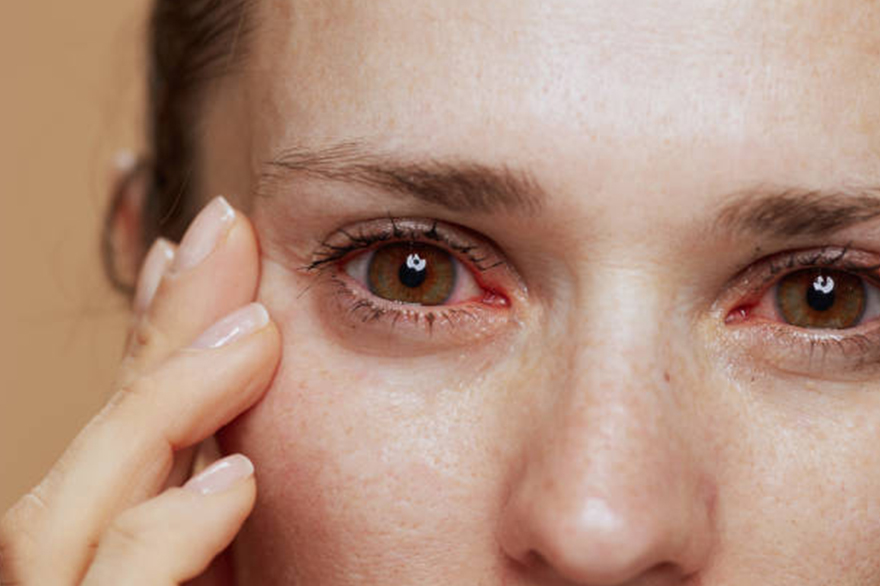
Allergic Conjunctivitis
Allergic Conjunctivitis: Mechanism, Complications and Modern Management
Allergic conjunctivitis is an inflammation of the conjunctiva (the thin, transparent membrane covering the white part of the eye and the inner surface of the eyelids) triggered by direct contact of the eyes with environmental allergens. In the majority of cases, it coexists with allergic rhinitis, a condition known as Allergic Rhinoconjunctivitis.
Main Symptoms
Allergic conjunctivitis typically affects both eyes, although the severity of symptoms may vary. The main symptoms include:
- Intense itching: The most characteristic symptom of allergic conjunctivitis.
- Redness: Caused by dilation of the blood vessels of the conjunctiva.
- Watery eyes (tearing): Reflex production of clear, watery tears.
- Swelling (edema): Particularly common around the eyelids.
- Foreign-body sensation or burning/stinging: More common in severe forms of the disease and may be accompanied by photophobia (sensitivity to light).
Types & Causes
Depending on the duration of symptoms and the allergens responsible, allergic conjunctivitis is classified as:
- Seasonal Allergic Conjunctivitis (SAC): Symptoms typically worsen during the spring and are mainly caused by pollen from trees, grasses, and weeds.
- Perennial Allergic Conjunctivitis (PAC): Symptoms occur throughout the year and may be persistent. Common responsible allergens include house dust mites, animal dander, and molds.
A less common but more severe form is Vernal Keratoconjunctivitis (VKC), which occurs more frequently in children and adolescents.
Diagnosis & Treatment
Allergy evaluation is essential for identifying the responsible allergens and distinguishing allergic conjunctivitis from other eye conditions, such as dry eye disease or infectious conjunctivitis.
Treatment includes:
- Symptom-Relief Measures: Measures such as the use of artificial tears can help relieve irritation and remove allergens from the ocular surface.
- Medication: Antihistamine and/or mast-cell-stabilizing eye drops, as well as systemic oral antihistamines when indicated.
- Allergen-Specific Immunotherapy: The only treatment that targets the underlying allergic mechanism and can modify the natural course of allergic disease, providing long-term improvement in symptoms.
Early evaluation by an allergist is essential for distinguishing allergic conjunctivitis from other eye conditions. Identifying the responsible aeroallergens allows appropriate treatment to be selected and, when indicated, an individualized allergen immunotherapy plan to be developed for long-term control of symptoms.